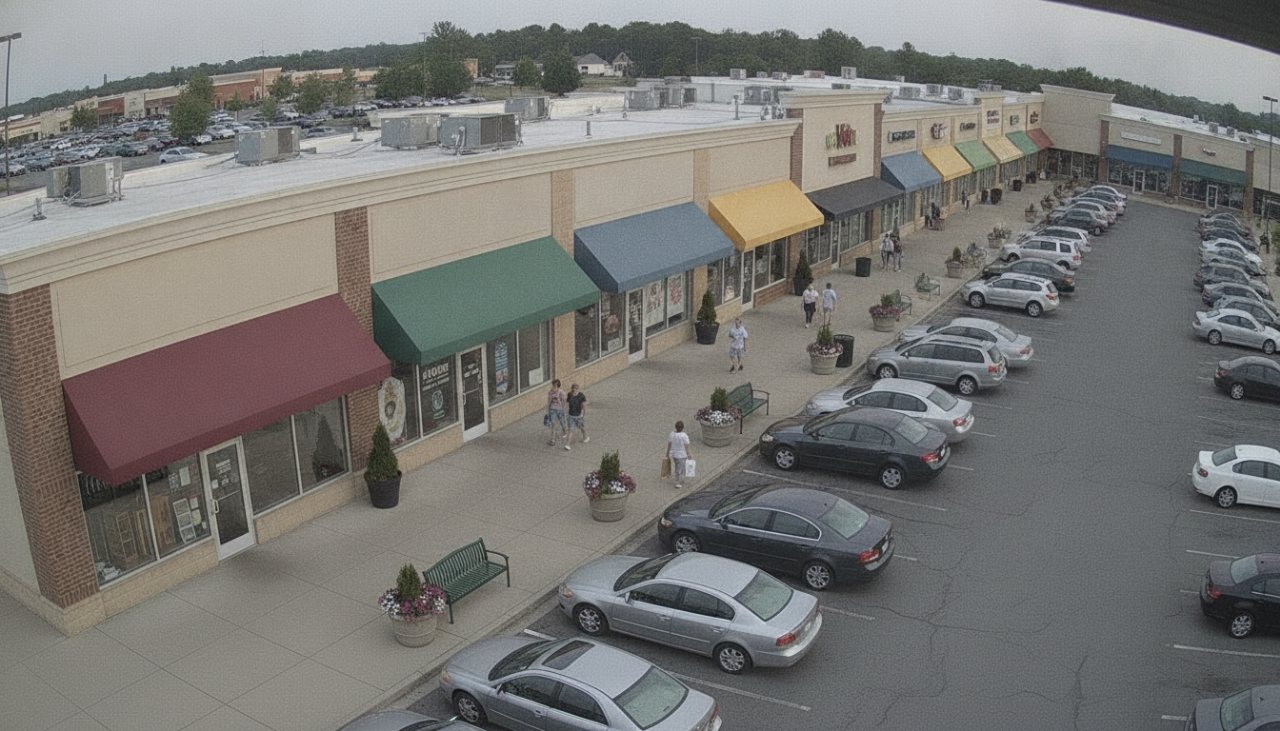
 Footfall 1,240 today
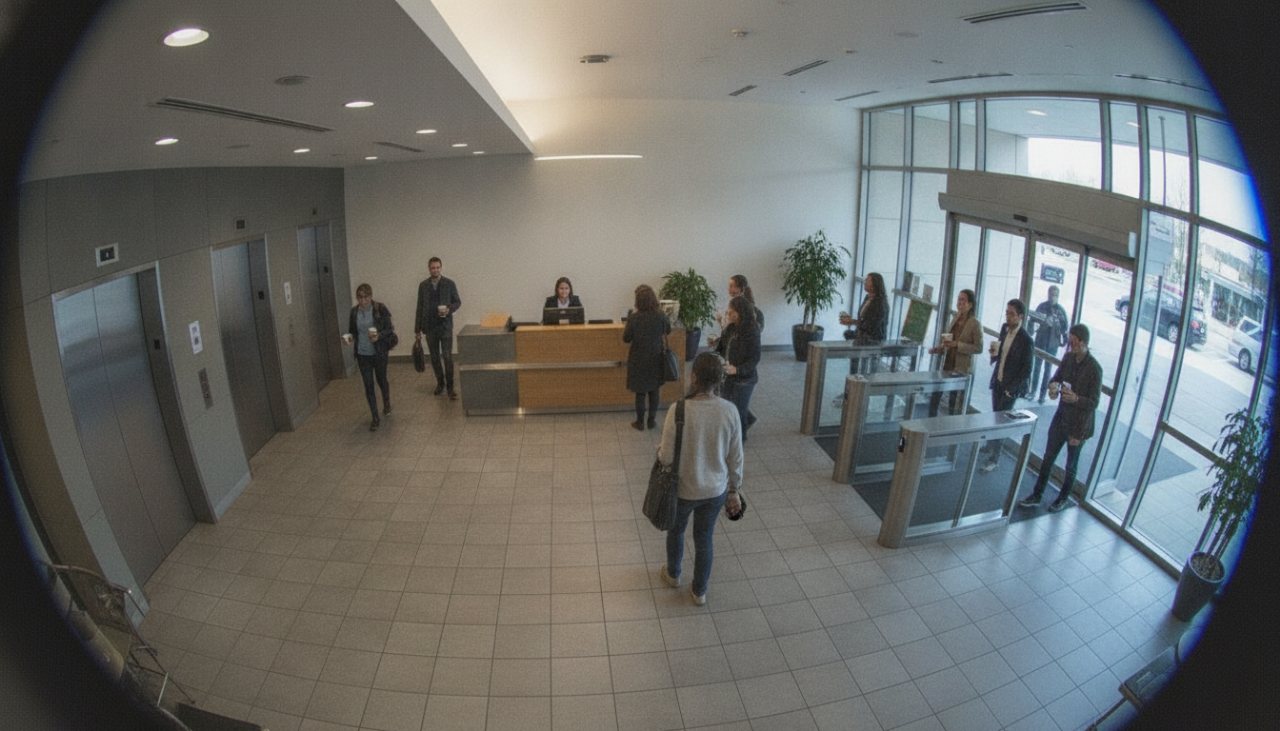
Walkways and storefronts
People passing each storefront, walking in, capture rate per tenant
VideoBI counts the visitors that phone-panel data only estimates: people passing each storefront and walking in, cars in the lot by hour, how long shoppers stay in the plaza, how many hours vendors actually spent on property. It turns the center's cameras into the evidence behind rents, leasing, parking and redevelopment.
A center's value rests on its traffic: what each tenant's frontage sees, whether the anchor drives visits to its neighbors, how much of the parking lot is ever used. Most owners rely on phone-panel estimates and tenant-reported sales.
Panel data samples phones; it can't tell you how many people passed a storefront and walked in.
Lots sized decades ago may have acres that are never used, and could be redeveloped.
Landscaping, cleaning and security vendors bill hours the center rarely checks.
An edge device on site reads the cameras and writes readings for the zones that matter. The video stays in the building.
Footfall 1,240 todayPeople passing each storefront, walking in, capture rate per tenant
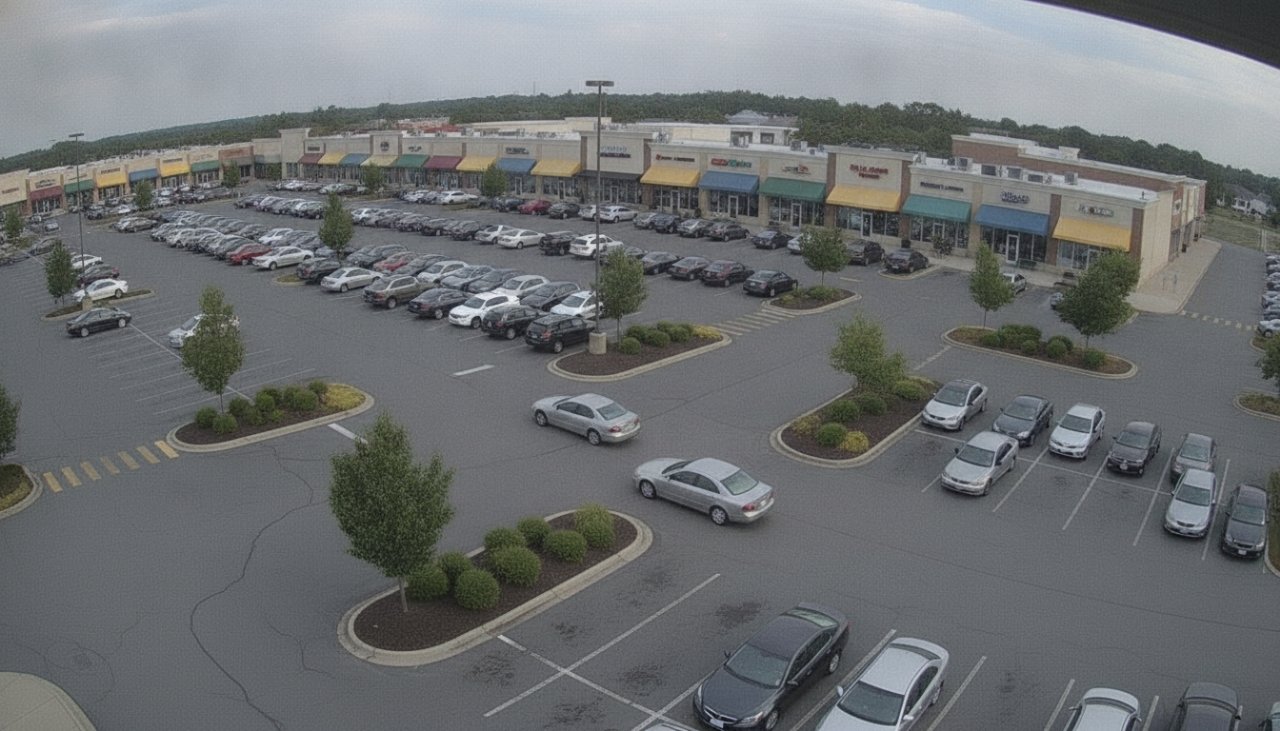 Lot 71% full · 1:15 pm
Stalls occupied by hour, entries, turnover, remote lots never used
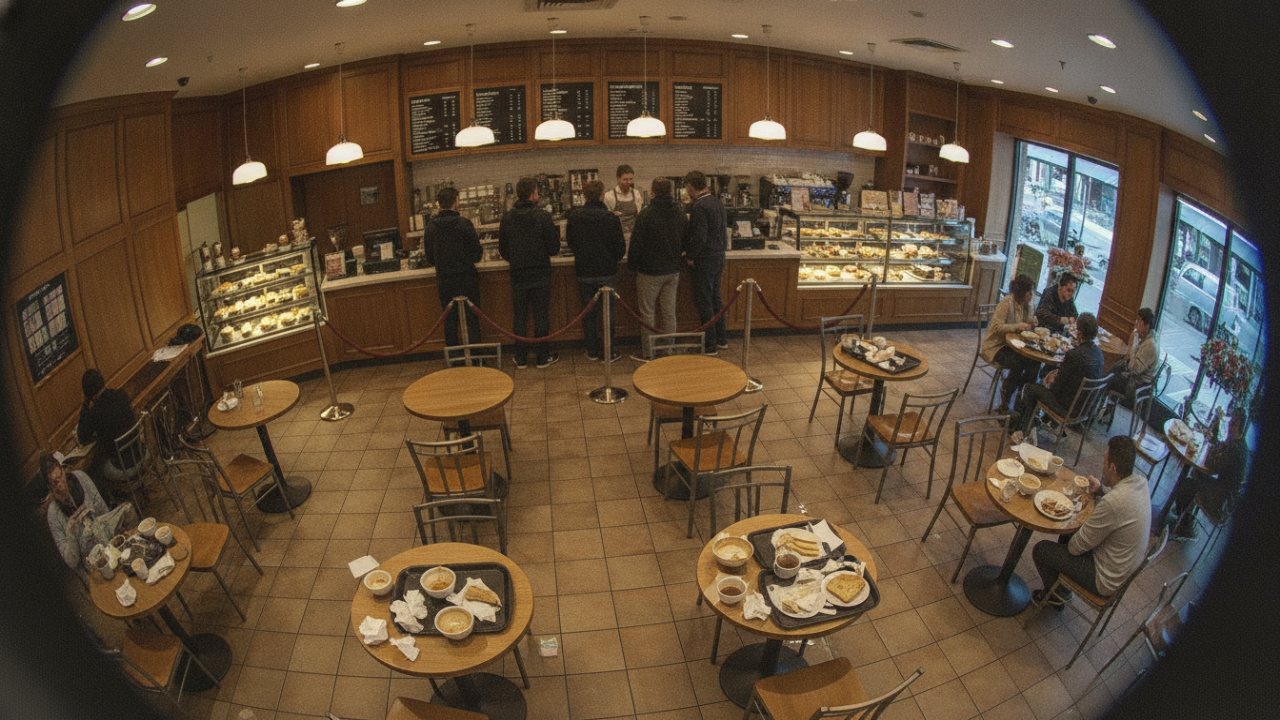
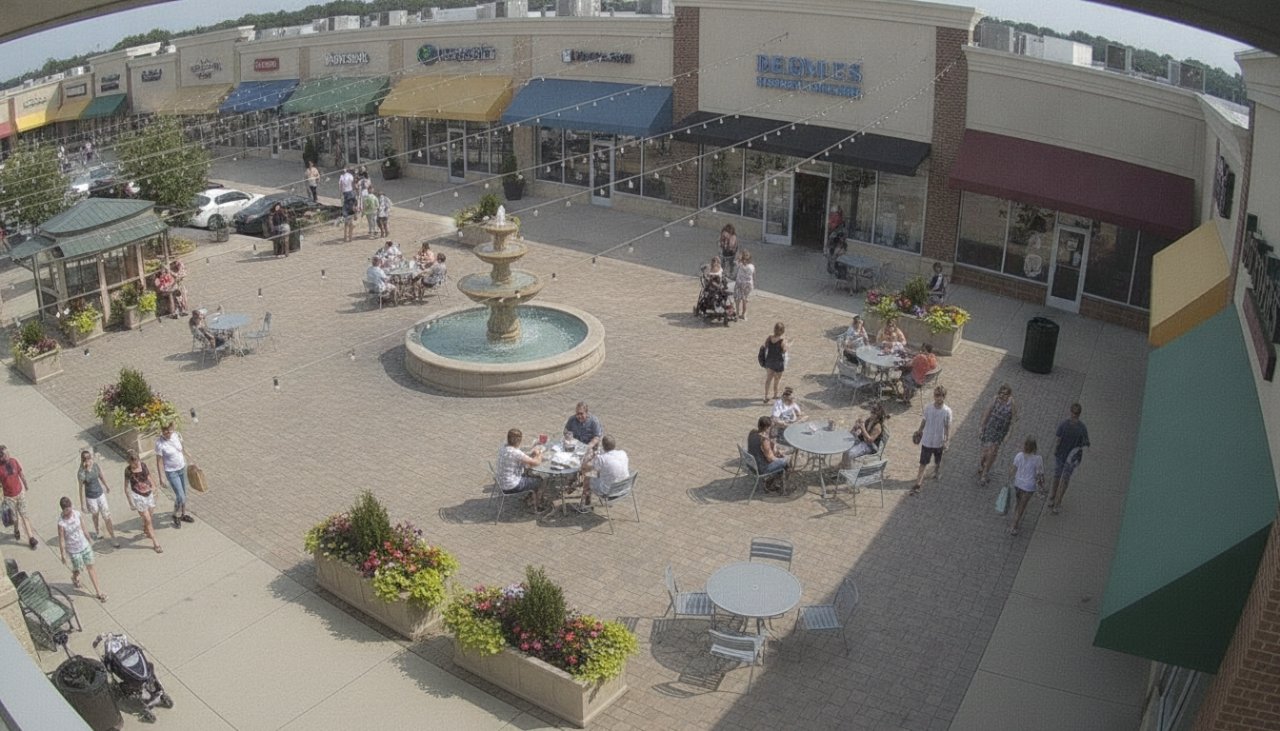 Plaza dwell · 18 min
Dwell time, seating use, event attendance
Frontage passes and entries per tenant show which spaces are underpriced for their traffic.
Show a prospective tenant the traffic in front of the space.
Attendance and dwell during events, and traffic to tenants afterward.
Parking that stays empty even at the peak can be redeveloped as a pad site.
Hours landscaping, cleaning and security vendors actually spent on property.
Trash, spills and blocked walkways found and fixed with evidence.
Activity at docks, service drives and remote lots after hours.
Vehicles parked in fire lanes, flagged live for security.
Each role sees the same governed numbers, arranged for the decisions it makes.
Four tenants below the rent their traffic supports
Anchor entries lift neighbors' entries within the hour
Remote lot: never above 30% full this year
Saturday footfall up after the market event
Plaza trash over capacity twice this week
Landscaping: 22 of 30 contracted hours on site
Fire lane: car parked 6 min
Plaza trash 95% full
Lot A full · direct to Lot C
Ask VideoBI in plain language. It investigates across every site and answers with the numbers and the evidence behind them.
Ask answers from your own sites' readings: the measured numbers, the sites and hours behind them, and what the cameras can't see.
Early access: Ask is set up with your first sites. How Ask works →
Recoverable dollars are counted week by week and pay for the system. Decisions about capital, leases and operating models made with the same evidence affect results for years.
Early access: we set up each measure with you, on your centers and your rates.
We'd like to use analytics cookies to see how people use this site, and LinkedIn's tag to measure our ads. Both stay off unless you accept. Cookie notice